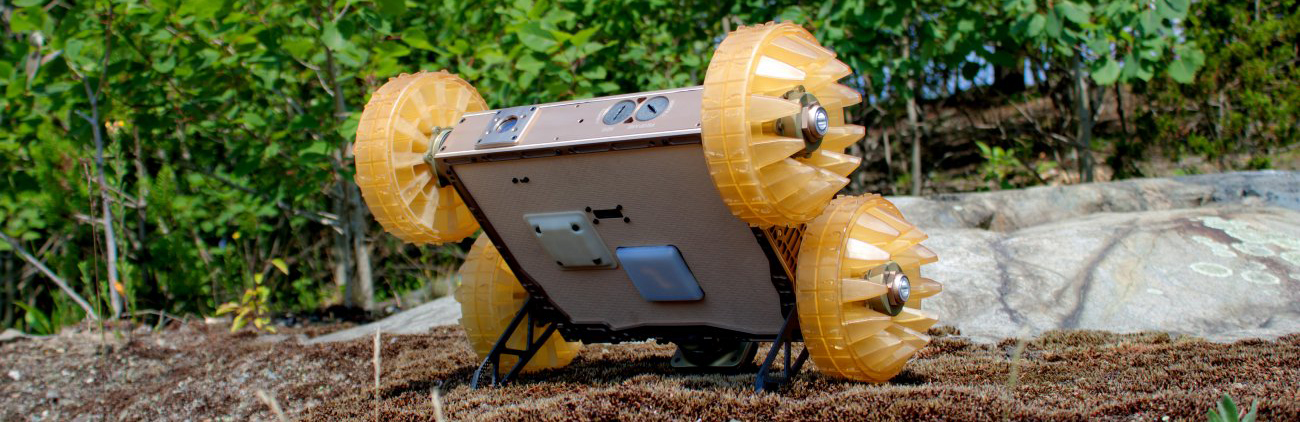
As time goes by, we will be seeing highly intelligent Humanoid Robots and Autonomous Machines filling public service positions throughout the world, operating under rules to keep humans safe, and in the future, be taught to protect and even save lives, improving our overall quality of life, or maybe not, because it all depends how we program them. Despite limited resources, including semiconductors, AI, and financial difficulties, our limitless desire for robotics will force us to investigate the possibilities of designing human-like robots for all areas, from farming to service industries, medical, health and research, education, entertainment, and combat. With the help of robots and creative minds, we will discover more as we move forward.
With open-source codes developed by human programmers or robots, you can teach your robot higher-level tasks, including anything from karate to doing the dishes to teaching it how to sing or dance. Wi-Fi will also affect their remote access; firewalls and antivirus apps will be available to protect your precious robot from unwanted remote breaches.
Today’s only challenge with advanced Humanoid Robotics is determining how strongly we can design them for pre-recorded or instant responses. Can they fully decode human speech and surrounding sounds with their voice recognition, regardless of all accents, to understand human perception and cognition? Maybe not yet. How can we help them to understand anger or calmness? A physical punch on a robot or the stress level in our voice and body language, for example, has to be translated into a form for them to recognize with codes and sensors. Robots are currently and will in the future be taught to protect and even save lives, improving our overall quality of life. They will be walking on the ground, swimming in the oceans, and flying with a combination of available drones. It is a phenomenon, an important one, not to miss out on.